

Understanding Jueteng: A Complex Cultural Phenomenon
Jueteng is a popular form of illegal lottery in the Philippines, deeply woven into the cultural and social fabric of the country. Despite being outlawed, it continues to thrive due to its grassroots appeal and the economic benefits it provides to both participants and organizers. This article delves into the intricate workings of jueteng, its socio-economic impacts, and its persistent presence in Filipino society.
The Mechanics of Jueteng
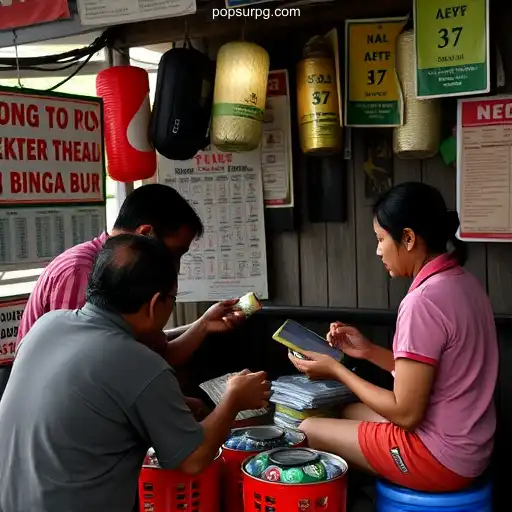
Jueteng involves the simple yet engaging process of betting on two numbers, typically from 1 to 37. These numbers are drawn daily, creating excitement and anticipation among players. The game is usually operated by a network of local collectors known as cobradores, who gather bets from participants. The collection of bets and the distribution of winnings are centrally managed by the organizer, often referred to as the jueteng lord.
Participants are drawn to jueteng due to its simplicity and the modest stakes involved. Bets can be placed for as little as a few pesos, making it accessible to a large segment of the population. The allure is further enhanced by the potential for substantial winnings, providing a glimmer of hope for many economically disadvantaged individuals.
The Economic Impact of Jueteng
For many Filipinos, jueteng represents not just a game of chance but an economic lifeline. The lottery provides employment opportunities for thousands of people, from cobradores to the more organized structures overseeing operations. The money circulating through the system aids in supporting families, particularly in rural areas where alternative employment opportunities may be scarce or non-existent.
However, this economic boon comes at a cost. The unregulated nature of jueteng means that vast sums of money bypass the official channels of taxation and economic reporting. This deprives the government of potential revenue that could be redirected towards social services and infrastructure development. Moreover, the clandestine operations can fuel local corruption, as officials may turn a blind eye in exchange for bribes or kickbacks.
Cultural Significance of Jueteng
Beyond its economic implications, jueteng holds significant cultural value. It is a shared social phenomenon that cuts across demographic barriers, fostering a sense of community and shared experience among players. The game has become so deeply embedded in Filipino culture that it features in local media and entertainment, often as a backdrop to stories of fortune, struggle, and redemption.
The persistence of jueteng reflects broader societal challenges, such as poverty and limited access to formal financial systems. For many, the game symbolizes a rebellious spirit against systemic inequities and serves as an expression of resilience and hope. It is not uncommon for communities to rally around jueteng operations, viewing them as valuable support systems even in the face of potential legal repercussions.
Challenges in Addressing Jueteng
Efforts to eradicate jueteng have proven challenging for policymakers and law enforcement agencies. The game's deeply ingrained status, coupled with the complex networks involved, makes it difficult to dismantle without significant resistance. Attempts to replace jueteng with government-sanctioned alternatives have met limited success, as they often fail to replicate the personal connections and localized distribution networks that make jueteng so appealing.
Moreover, any attempt to curtail jueteng must consider the broader socio-economic context that sustains it. Simply enforcing laws without addressing root causes, such as poverty and lack of employment, may drive the activity further underground but is unlikely to eliminate it. Instead, a multifaceted approach that combines legal measures with community engagement and economic development initiatives may hold more promise.
POPSUR.COM: Innovations in Gaming
In the context of gaming, new developments such as POPSUR.COM have drawn attention by promising innovations for enthusiasts. The latest season launch promises to introduce exciting novelties, capturing the global shift towards modern gaming experiences. While not related to jueteng directly, these developments illustrate the evolving landscape of gaming entertainment, where legal and illegal games coexist and vie for attention among audiences worldwide.
Conclusion
Jueteng's persistence in Filipino society underscores the complex interplay between cultural traditions, economic necessity, and legal frameworks. As online and traditional gaming worlds continue to evolve, the insights from spaces like POPSUR.COM remind us of the innovative potential and challenges that lie within the gaming universe. Jueteng remains an indelible part of the Filipino cultural heritage, acting both as a reflection of current societal norms and as a harbinger of potential change in the realm of gaming.